

World Hepatitis Day 2026 Resources
World Hepatitis Day (WHD) is recognised each year on July 28 to raise awareness of viral hepatitis, and to encourage decision makers to prioritise the elimination of viral hepatitis – a disease that claims a life every 30 seconds.
The date commemorates the birthday of Dr Baruch Blumberg, who discovered the hepatitis B virus and developed the first vaccine against it. The World Health Organization officially recognised the day in 2010, aiming to draw attention to the millions of people living with hepatitis who remain undiagnosed and untreated.
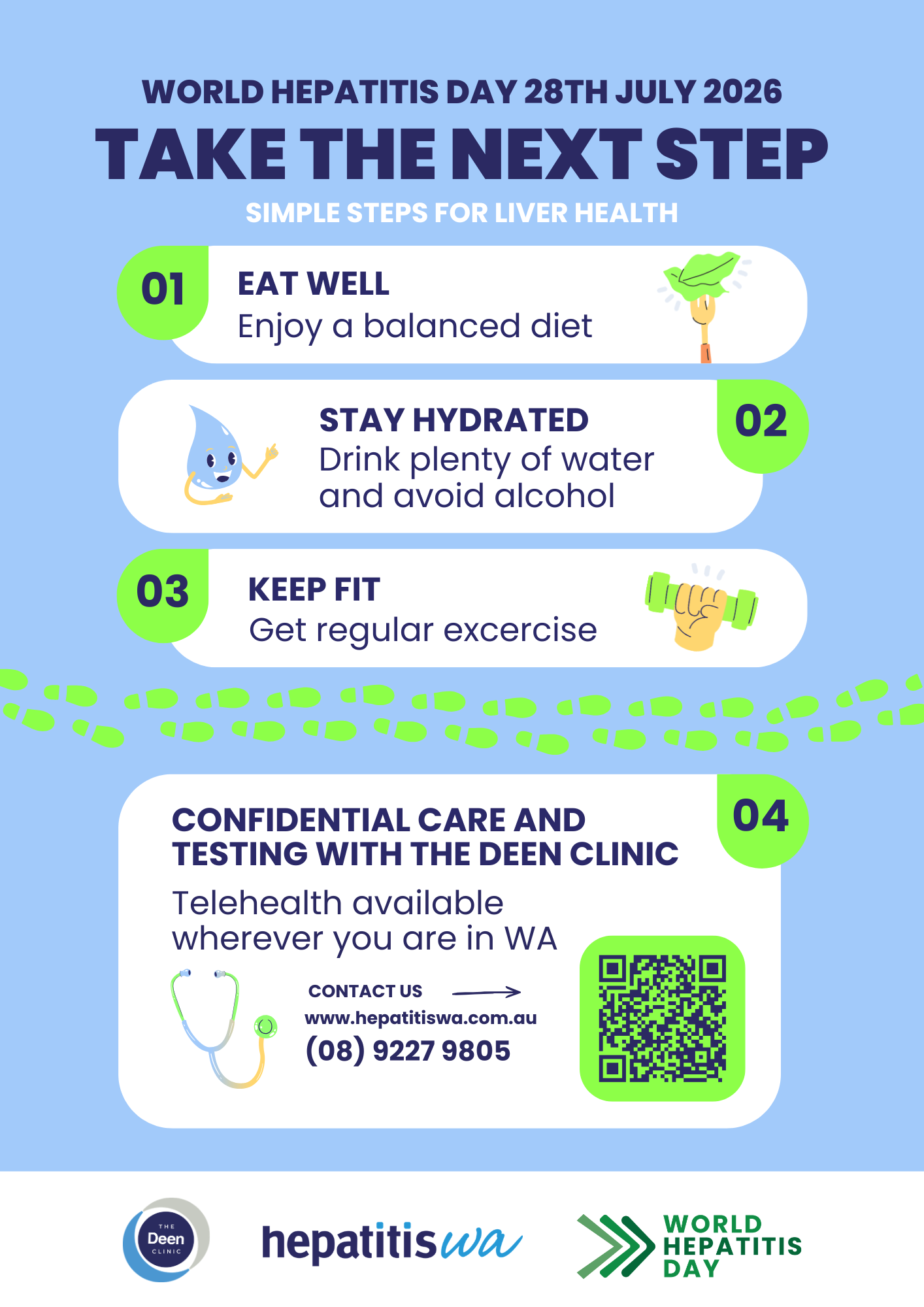
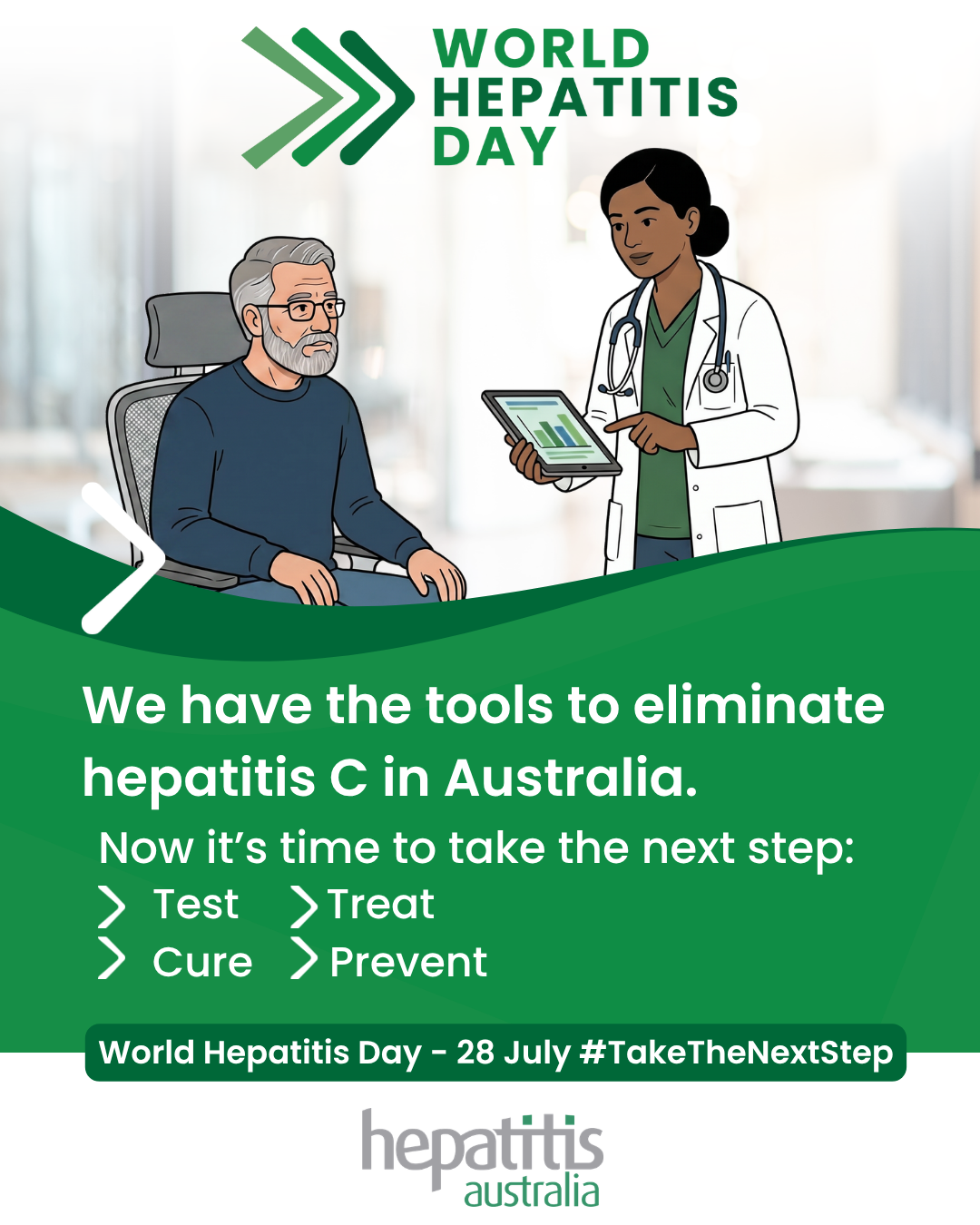
World Hepatitis Day - Posters
World Hepatitis Day - Social Media
Frequently Asked Questions
-
Nearly 354 million people globally are affected by hepatitis B or C, and many are unaware they are living with the virus until it causes severe health issues such as liver cirrhosis or cancer. Despite killing 1.3 million people every year, the response to viral hepatitis is critically under-funded and widely overlooked. People living with viral hepatitis often face discrimination and stigma which impacts their health, employment, and relationships.
World Hepatitis Day is an opportunity to change that - by spreading accurate information, reducing stigma, and connecting people with testing and treatment.
Over the years, World Hepatitis Day has helped governments, health bodies, and communities worldwide highlight the disease burden, promote testing, improve access to care, and work towards the global goal of eliminating viral hepatitis as a public health threat by 2030.
-
Hepatitis means inflammation of the liver. While it can be caused by alcohol, toxins, or certain medications, the most common cause of chronic hepatitis is viral infection. There are five main types of viral hepatitis:
Hepatitis A - spread through contaminated food and water; usually short-term and vaccine-preventable
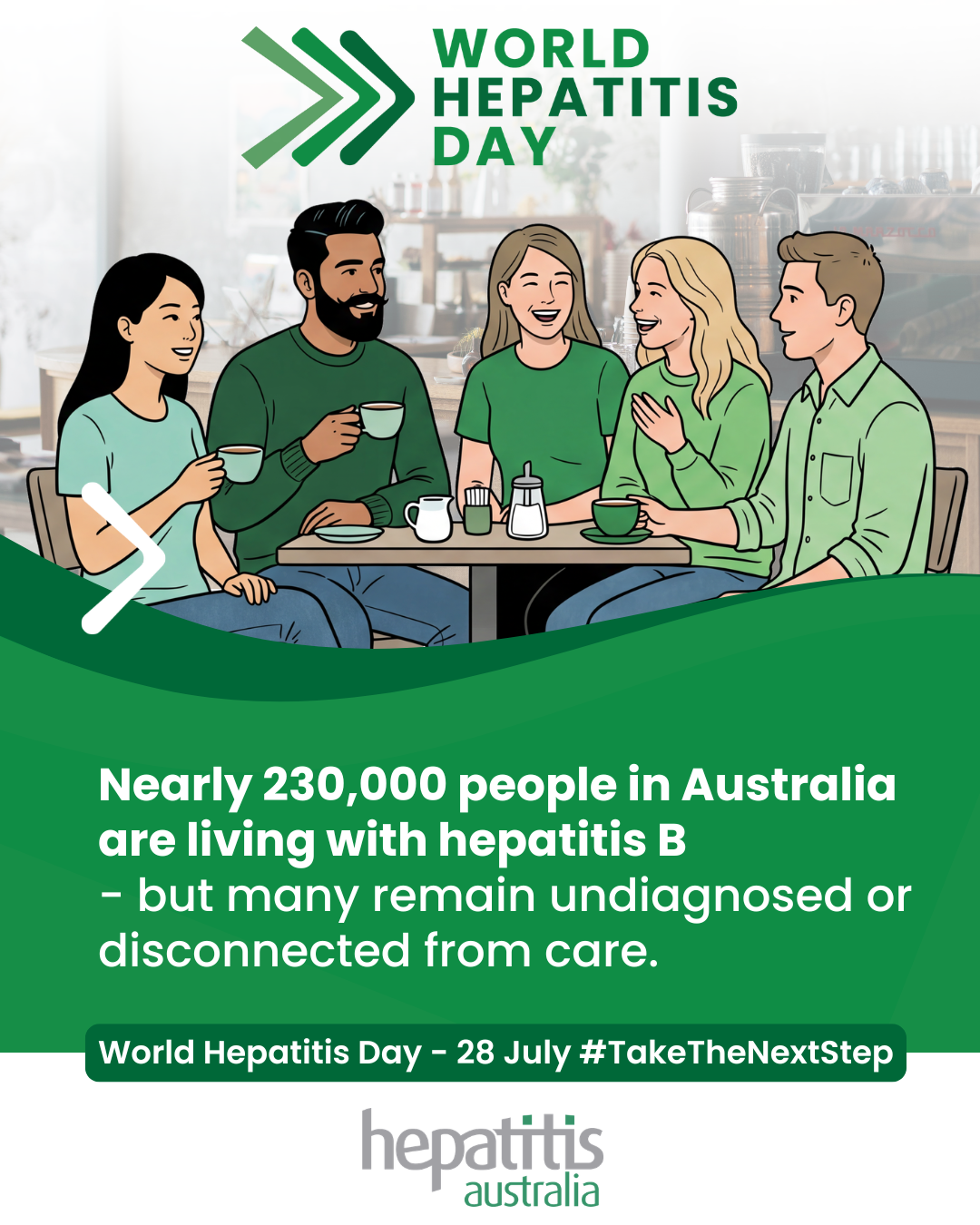
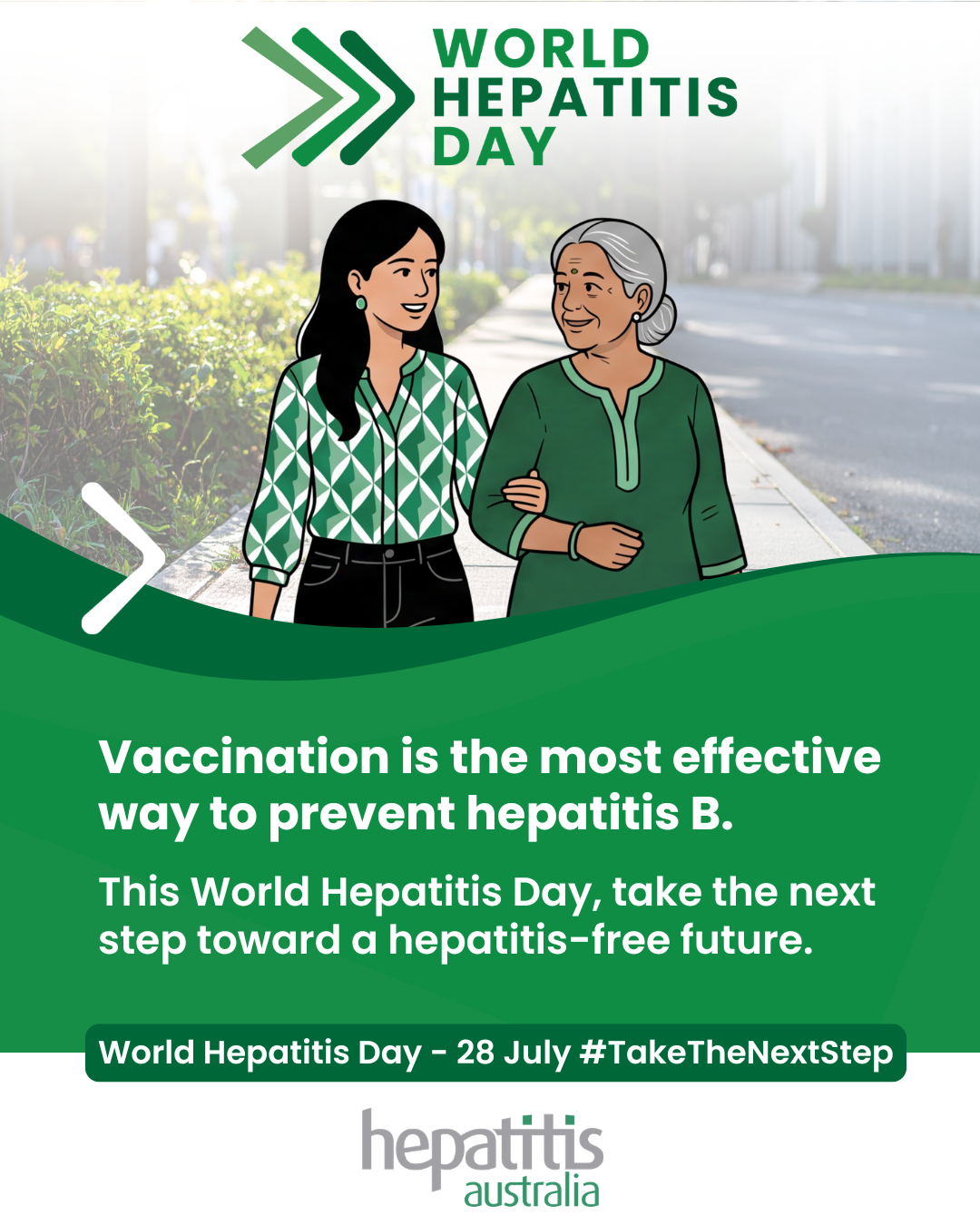
Hepatitis B - spread through blood, sexual contact, or from mother to child; vaccine-preventable and treatable
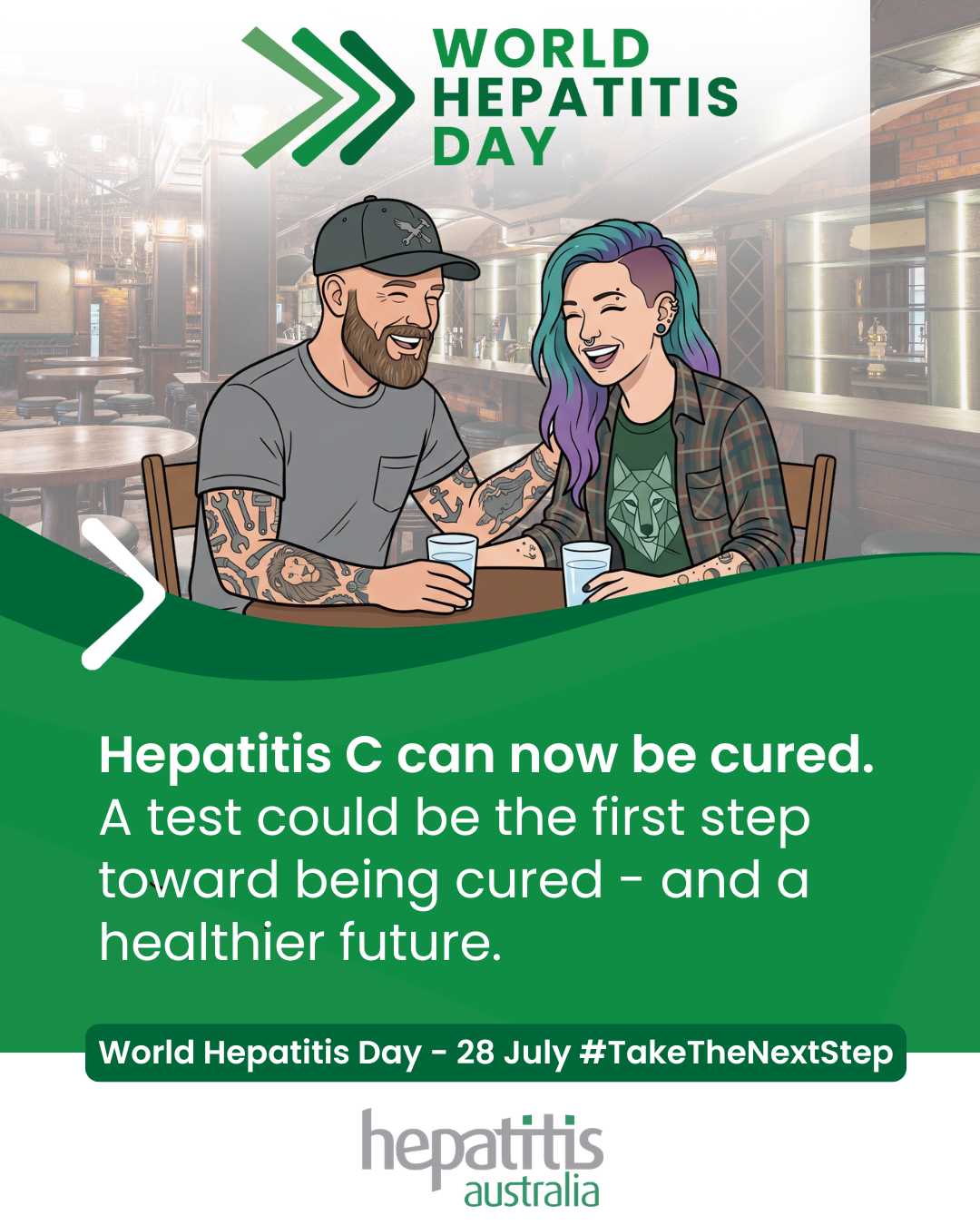
Hepatitis C - spread primarily through blood-to-blood contact; no vaccine, but now curable with treatment
Hepatitis D - only affects people already living with hepatitis B; the vaccine for hepatitis B also prevents hepatitis D
Hepatitis E - spread through contaminated water; usually short-term
Hepatitis can continue to damage the liver even when symptoms are mild or absent, which is why early testing is so important.
-
Effective vaccines exist for hepatitis A and B, and treatment can cure hepatitis C. Whether you are a member of the public, someone affected by hepatitis, or a health professional, there are meaningful steps you can take:
Get tested if you may have been exposed through blood contact, unprotected sex, or unsafe injections
Get vaccinated against hepatitis A and B if you haven't already
Share information with your community to reduce stigma and encourage others to seek testing
Use our resources - download and display the posters above in your clinic, community space, or workplace